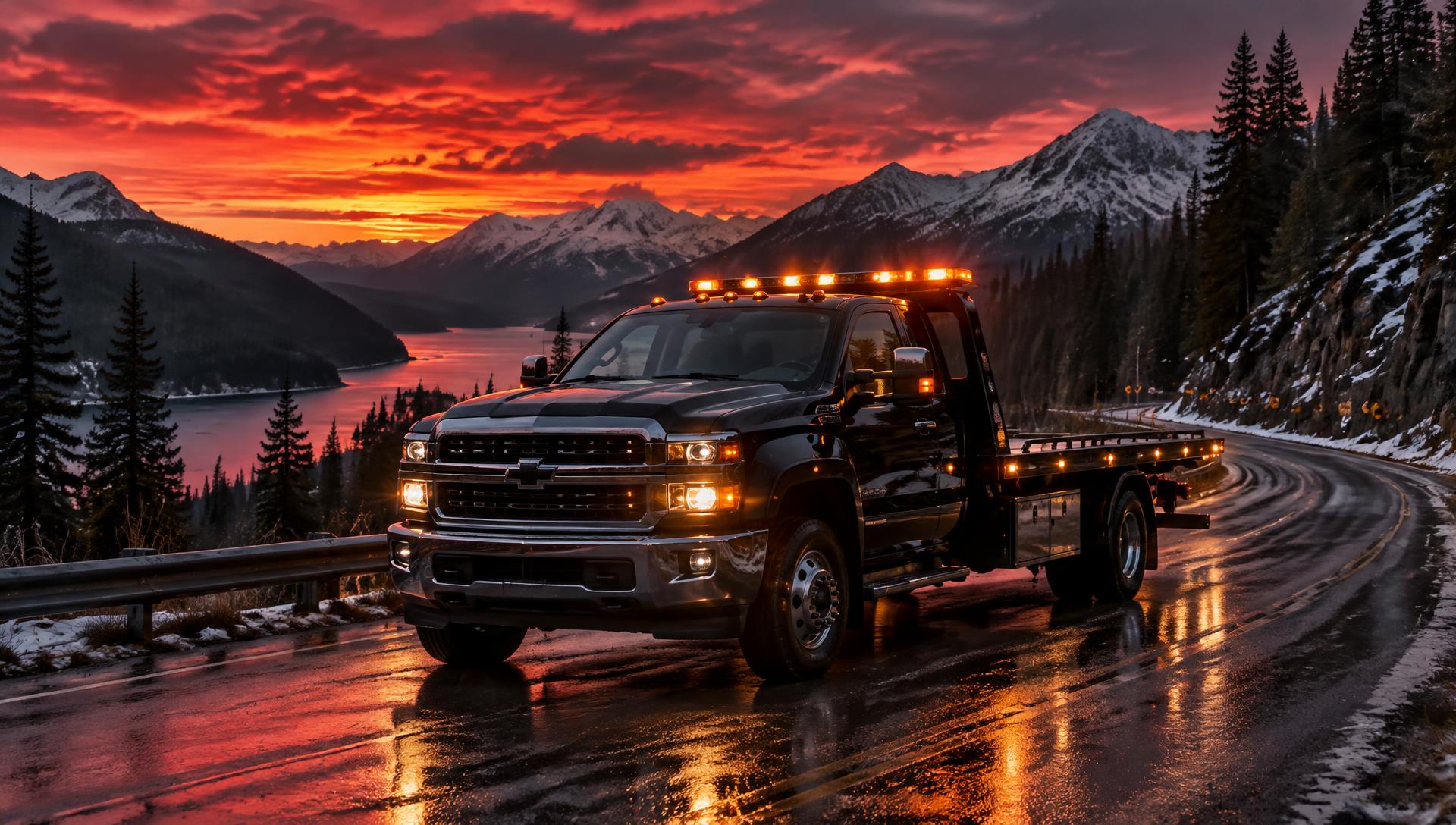
A towing call is easier when dispatch understands your location, vehicle, and situation from the start. U.S. Metro serves everyday drivers, commercial operators, travelers, and local businesses across the Silver Valley, I-90 corridor, and Spokane area.
What dispatch needs
Share your exact location, direction of travel, nearest exit or mile marker, vehicle year and model, and whether the vehicle rolls, steers, and brakes. Mention a trailer, cargo, damage, low clearance, or an unsafe shoulder.
Move behind a barrier or well away from traffic when safe
Turn on hazard lights and note nearby landmarks
Tell dispatch about passengers, pets, or special access needs
When not to keep driving
Stop and request a tow when steering or braking changes suddenly, warning lights flash, the engine overheats, fluids are leaking, a tire is badly damaged, or collision damage could affect a wheel. Driving farther can turn a manageable repair into a larger one.
Do not stand between your vehicle and moving traffic
Call 911 first for injuries, fire, or an active traffic hazard
Recovery and transport
Ditch, snowbank, accident, and disabled-vehicle recoveries require a clear picture of terrain and vehicle position. Photos can be useful when requested, but never step into traffic or unstable ground to take them.
Scheduled transport is also available for vehicles that need to move between a home, shop, yard, or other destination. Call to discuss the vehicle and pickup conditions.
Light through heavy duty
Cars and SUVs do not require the same setup as box trucks, work vehicles, RVs, or heavier equipment. Giving dispatch accurate dimensions and load details helps determine the appropriate response without guesswork.
Pricing and arrival times depend on equipment, distance, road conditions, access, and the work required. Dispatch provides the reliable next step after learning the details.